Coffee/Tea Bag Packaging Machines

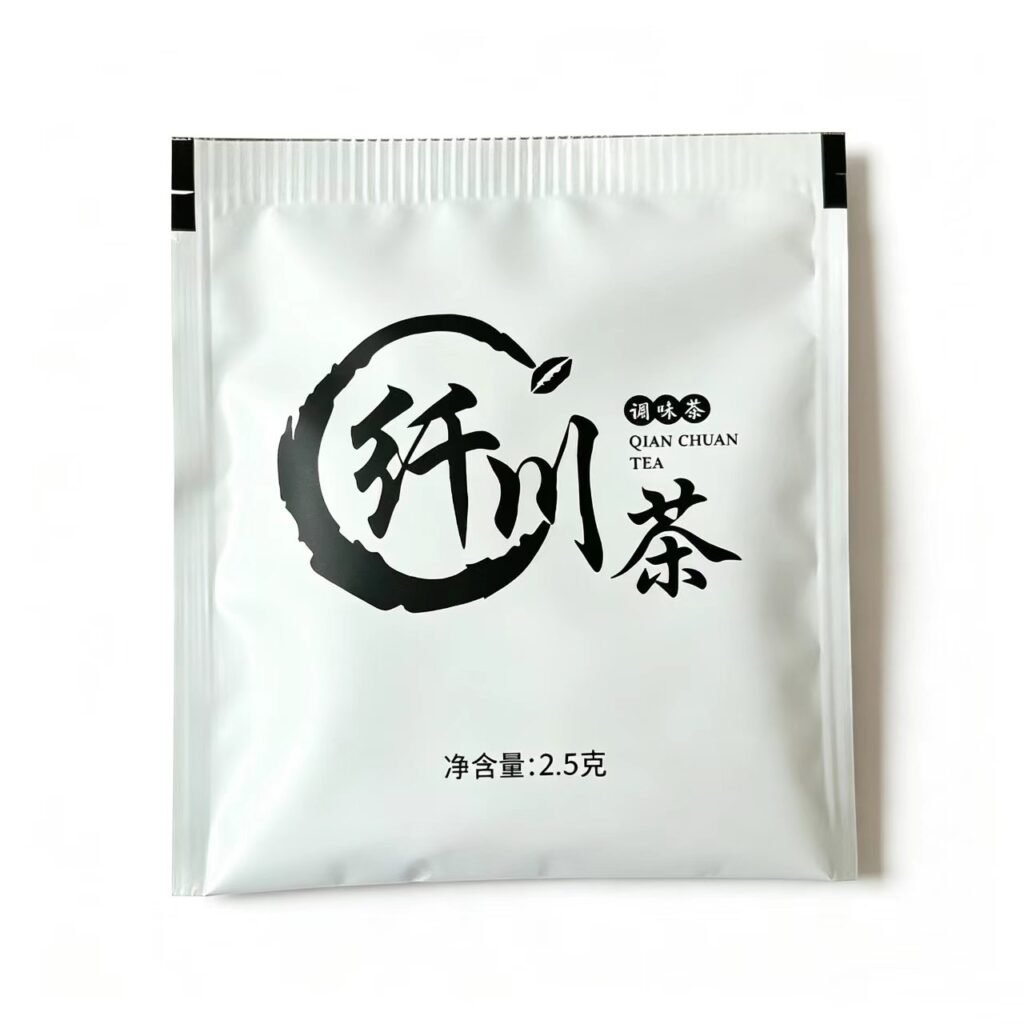
Printed outer sachet for a 2.5 g flavored tea product

Examples of Finished Bag Styles

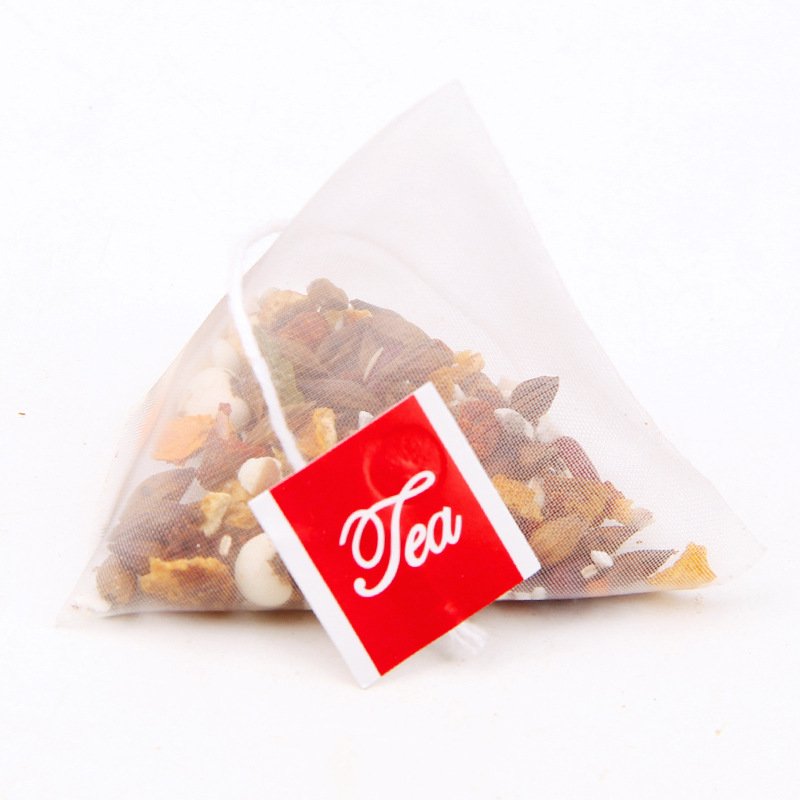
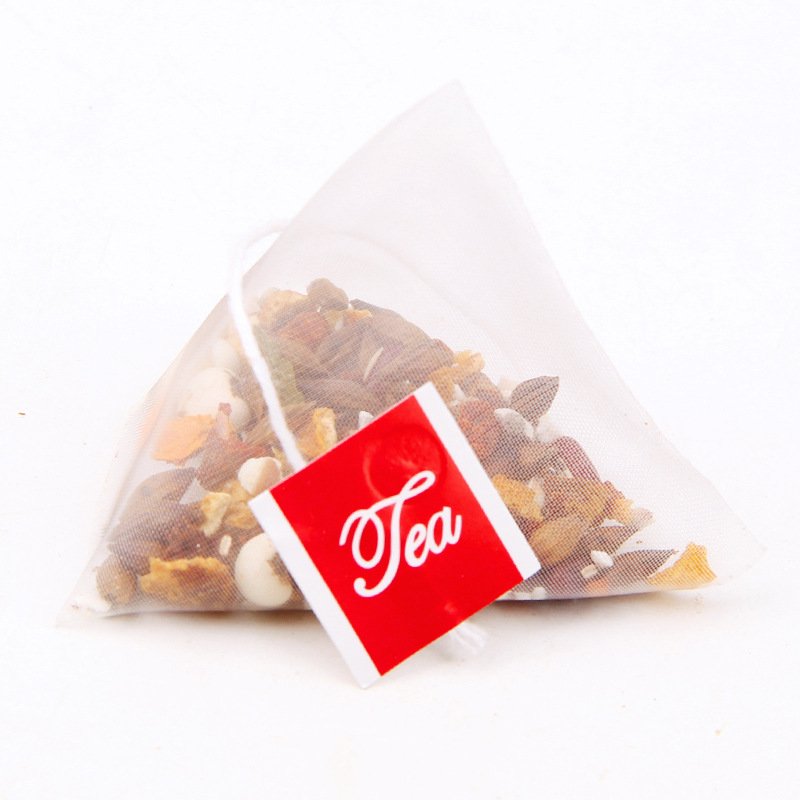
Pyramid tea bag with string and printed tag, close up
Examples of Finished Bag Styles
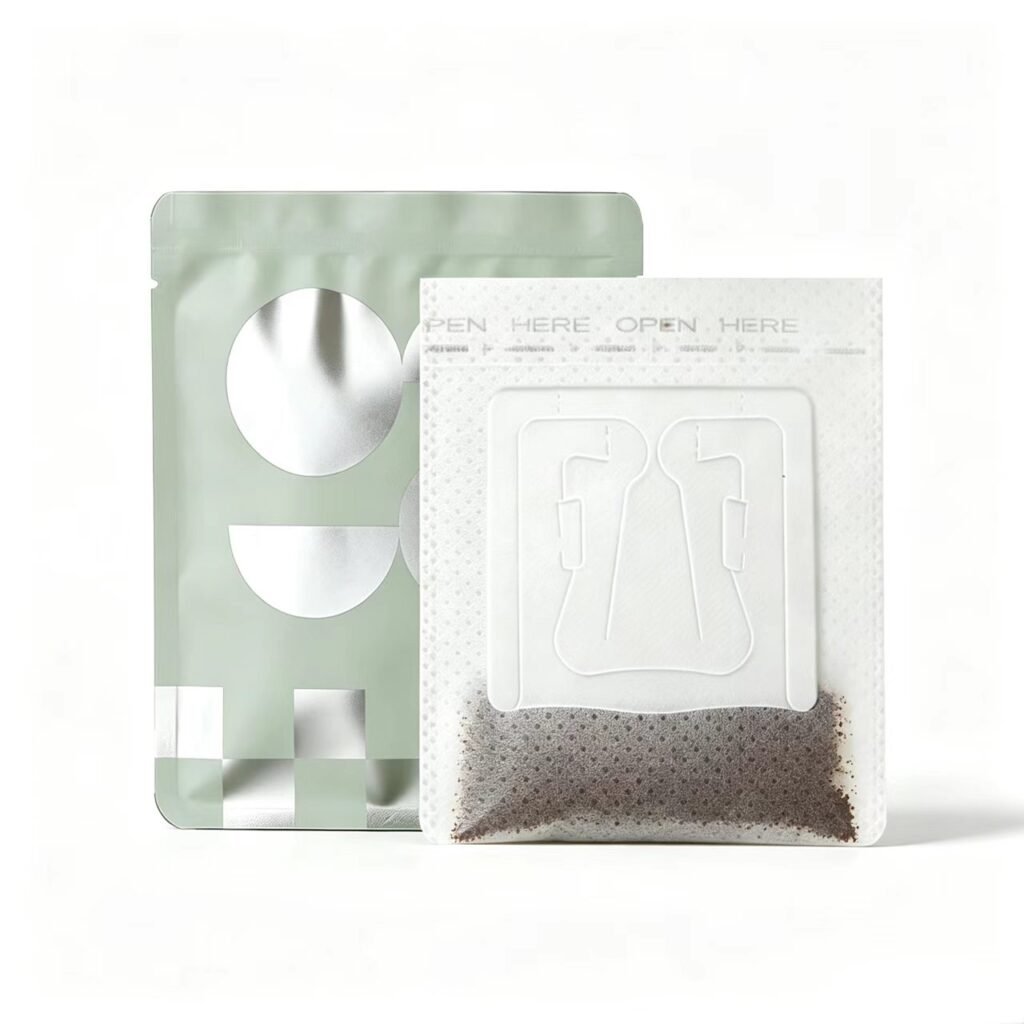
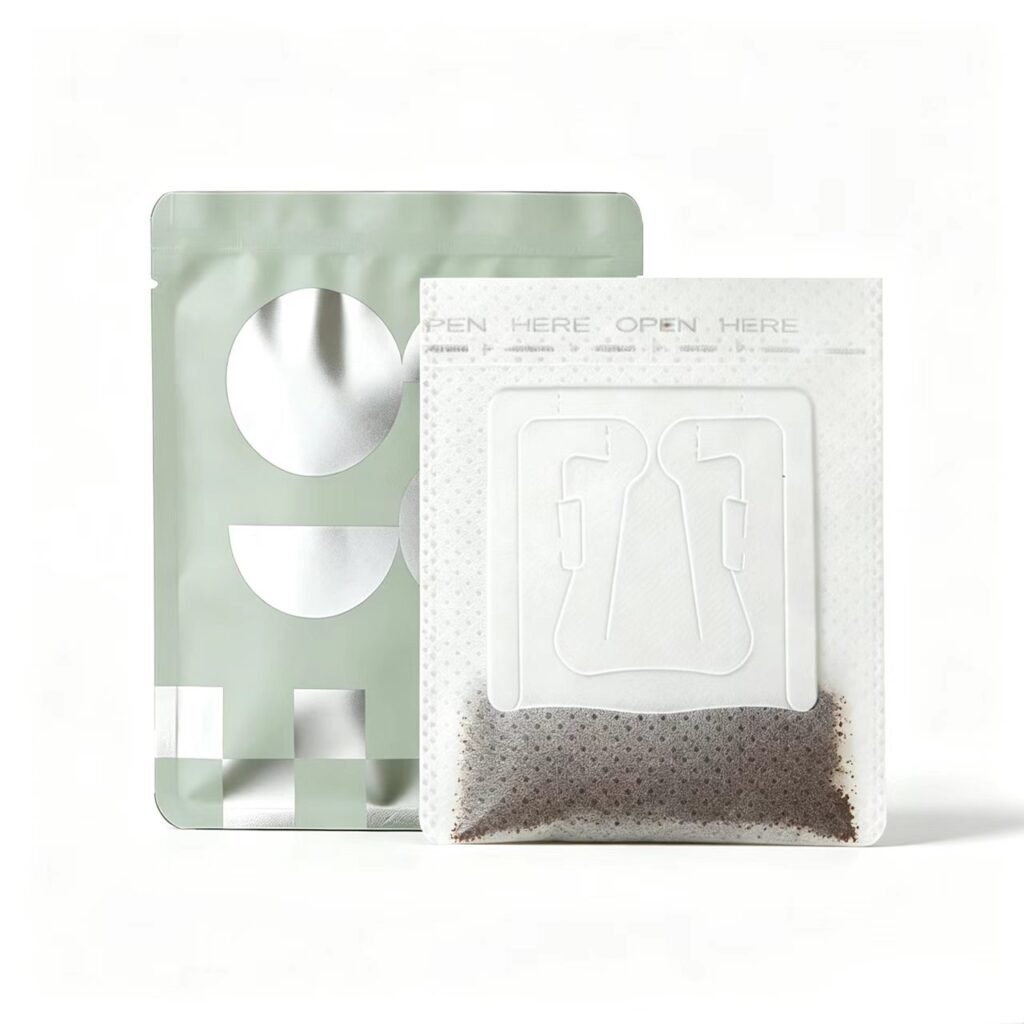
Drip coffee bag with hanging ears beside its printed outer sachet
Examples of Finished Bag Styles

Important distinction: These machines are automatic forming and packaging lines designed for single-serving tea and coffee bags. Rollstock pouch machines, rotary systems for premade pouches, stick pack machines and sachet packaging machines belong to separate equipment categories.

Three machine routes: pyramid tea bags, flat filter tea bags with envelopes, and drip or steeped coffee bags.

These lines dose the tea or coffee and form and seal the inner bag. String, tag, hanging ears and an outer envelope depend on the finished format and configuration. Start with the bag you want to sell, then review the forming, sealing and packing stages it needs.

Which Machine Produces Each Bag Type?

The required finished bag format determines which machine you need, rather than the machine dictating the bag design. Choose the bag style that best matches your brand’s actual packaging needs, then visit the corresponding model page to view the complete technical specifications.

Drip coffee bag with hanging ears beside its printed outer sachet
Examples of Finished Bag Styles
Model SPM-T300

Drip Coffee Packaging Machine — Hanging Filter Bag with Individual Outer Sachet

Designed to fill ground coffee into either a filter bag with hanging ears that rests on the rim of a cup, or a steeping bag suspended by a string for brewing while immersed in water. The machine then encloses the inner bag in a printed outer envelope and seals it.

Main Processing Requirements

Measure the ground coffee to the specified weight, shape and seal the inner filter bag, attach the hanging ears or string, and then form, fill and seal the printed outer envelope.

Pyramid tea bag with fixed string and printed tag
Examples of Finished Bag Styles

Model SPM-600MH

Pyramid Tea Bag Packaging Machine

Produces three-dimensional pyramid-shaped bags from mesh or non-woven materials for whole-leaf tea and botanical blends. The machine platform can also accommodate flat tea bags, while the availability of an outer-envelope unit depends on the chosen configuration.

Key Machine Functions

Accurately measure and dispense the tea, shape the packaging material into a pyramid, and seal the film using a method suitable for the selected material. Determine whether the application requires a string, tag, and an additional outer-envelope packaging stage.

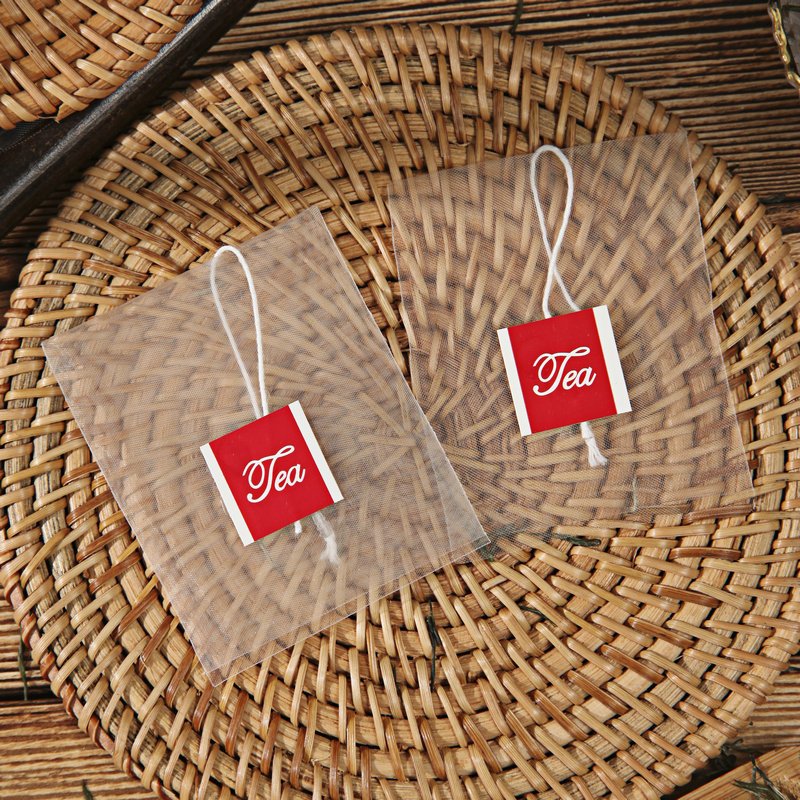
Mesh tea bags with string and printed Tea tags
Examples of Finished Bag Styles
Model SPM-T100

Flat Filter Tea Bag Packaging Machine with Individual Envelopes

Manufactures traditional flat filter-paper tea bags fitted with a string and tag, then wraps each bag in a separate outer envelope for distribution to hotels, cafés and retail outlets. Both inner-bag production and outer-envelope packaging are performed by a single machine.

Key Operating Functions

Measure the fine-cut tea accurately, form and seal the flat inner filter bag, attach the string and tag, and then feed the outer-envelope material, fill it with the inner bag and seal the

Filling weight, bag dimensions and achievable production output will be determined by mutual agreement, based on representative production samples and the mesh material you intend to use.
Compare and Select
SPM-600MH
SPM-T300
SPM-T100
Ideal for whole-leaf tea, herbal blends or coarsely cut tea mixtures that require sufficient space to infuse properly, where the packaging presentation also plays an important role in the brand image.
Suitable for single-serve ground coffee designed for brewing in or over a cup, with both the inner filter bag and printed outer envelope produced on the same packaging line.
Ideal for classic fine-cut tea packaged in flat tea bags with a string and tag, where each bag requires its own individual envelope for distribution.
Tea and Coffee Products Suitable for These Packaging Machines
The dosing system is selected according to the product’s physical characteristics and handling properties, rather than its name. Below are the product categories these machines are generally configured to process, along with the specific ways each product type influences the machine setup.
Granules and Soluble Powders
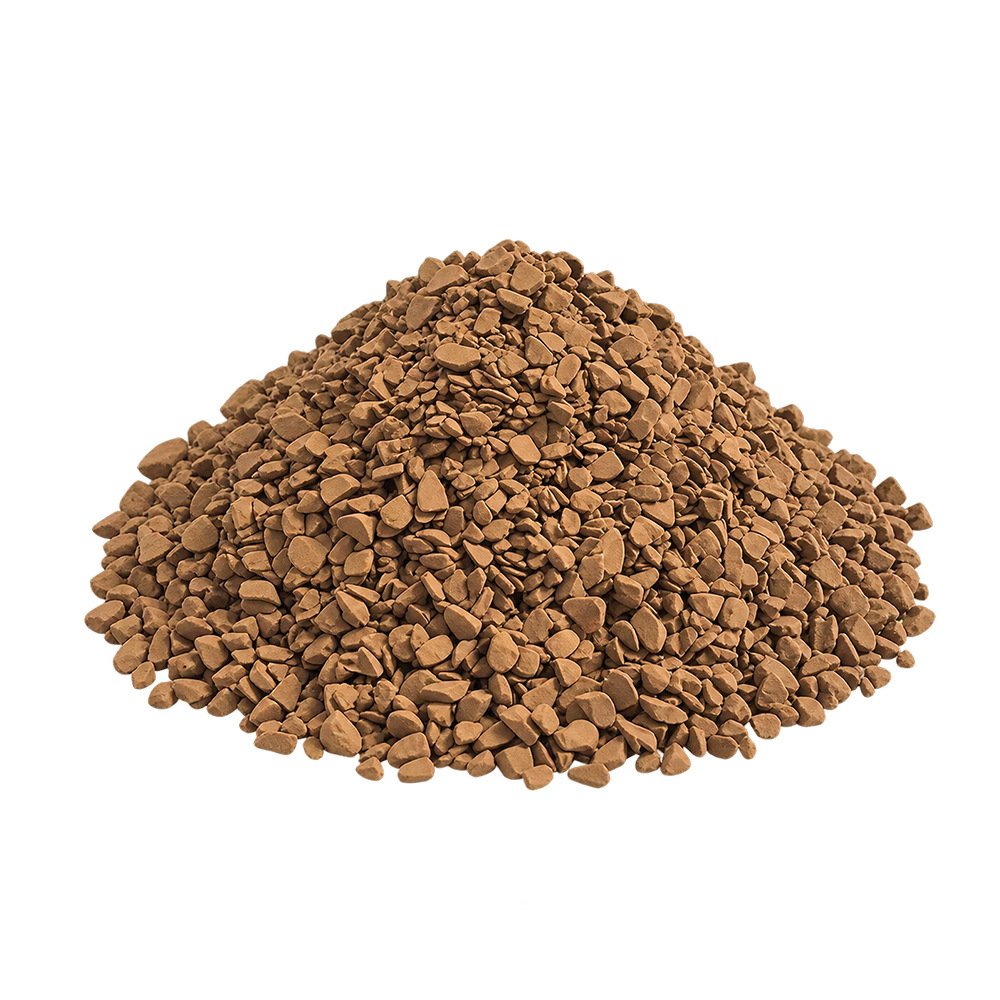
Granules and soluble powder used in tea and coffee bag filling
Moisture-absorbing and free-flowing, these products are often more suitable for sealed sachet packaging than filter bags. The packaging format should therefore be established before selecting the machine.
Coarse Ground Materia
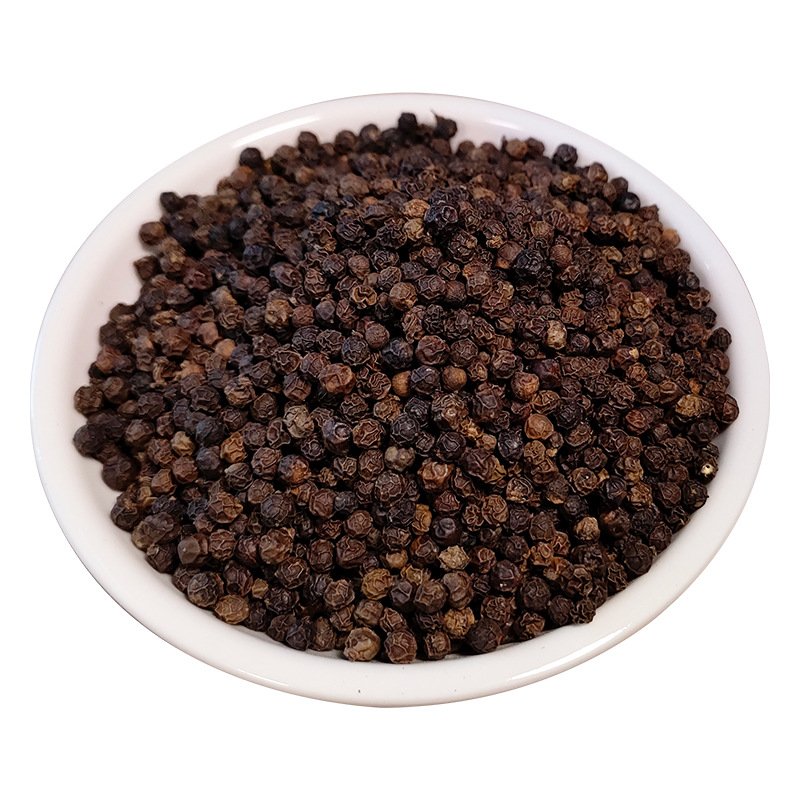
Coarsely ground coffee with visible particles
Flows more easily than finely ground material, but influences extraction performance. Specify the actual grind size of the product you sell rather than relying on a standard or assumed value.
Powdered tea
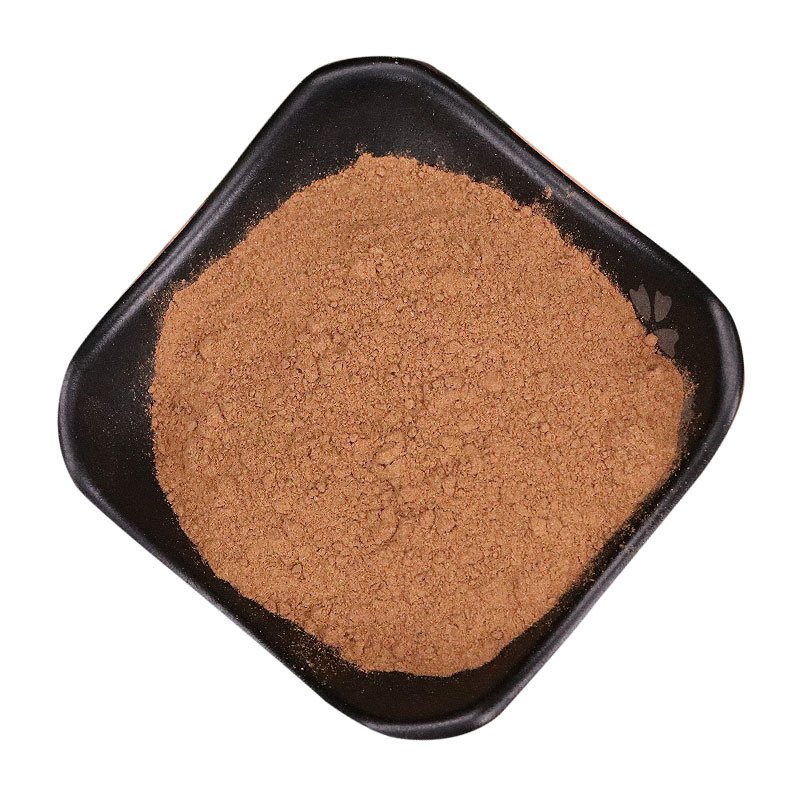
Powdered tea showing the fine particle size used in tea bags
Dust may disperse during filling and accumulate around the sealing surfaces. The sealing system and dust extraction equipment should therefore be selected and configured together.
Ground Coffee Products
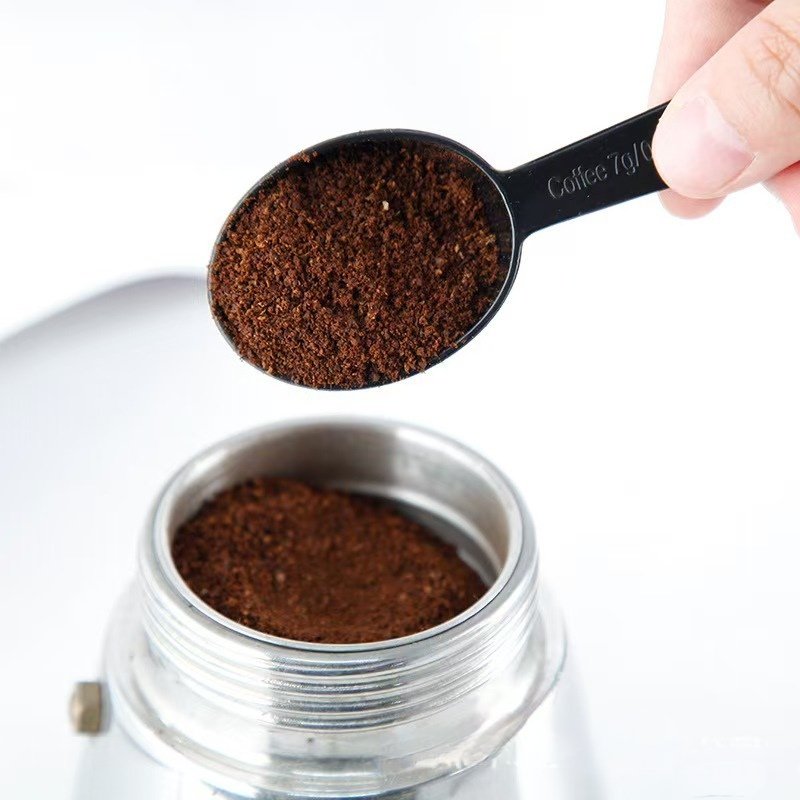
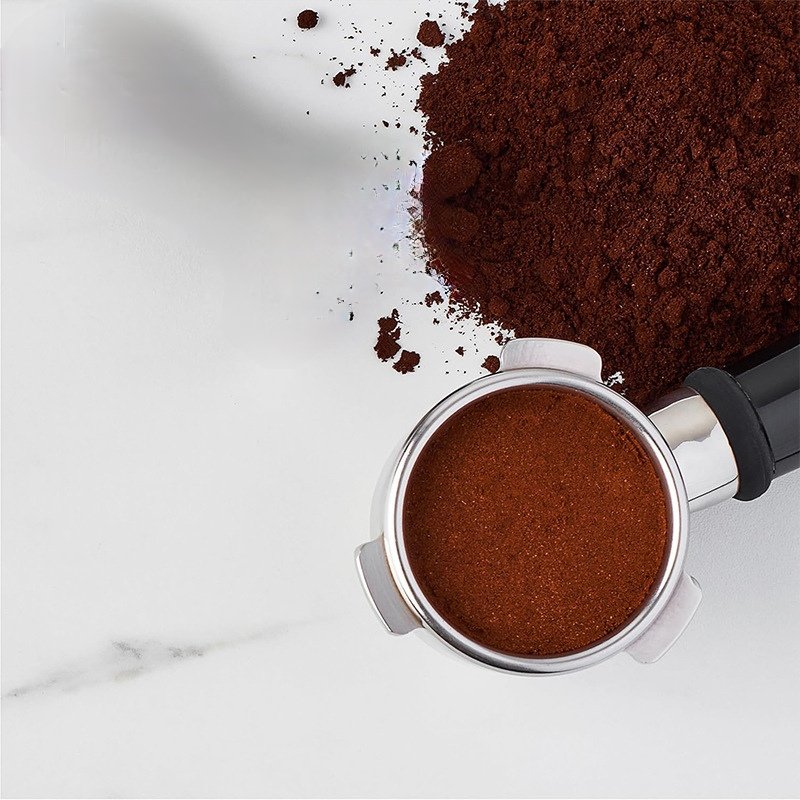
Ground coffee of the grind used in drip coffee bags
The typical material used for drip coffee bags. Coffee grind size and filling weight influence one another, while freshly ground coffee releases gas that can also affect the outer envelope.
Fine-Cut Tea Leaves
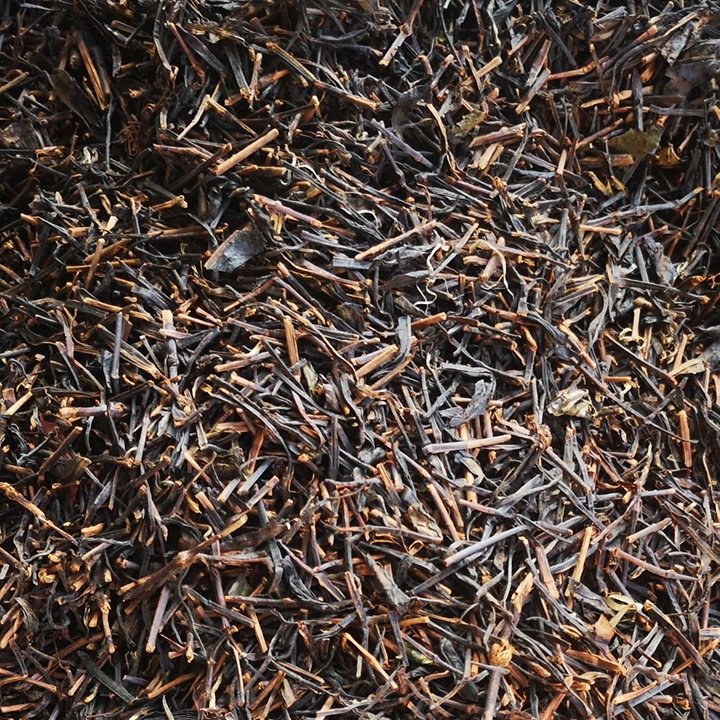
Fine-cut tea leaves of the size used in flat filter tea bags
Its good flow characteristics allow precise dosing at small fill weights, making it suitable for flat filter tea bags. The filter material must also be fine enough to prevent powder particles from passing through.
Flower Tea Products
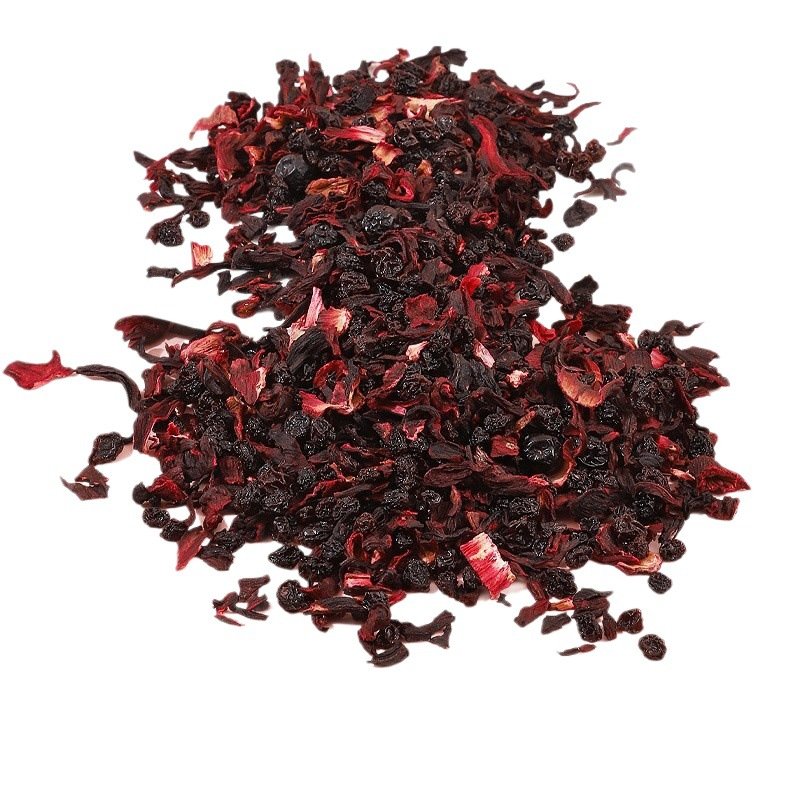
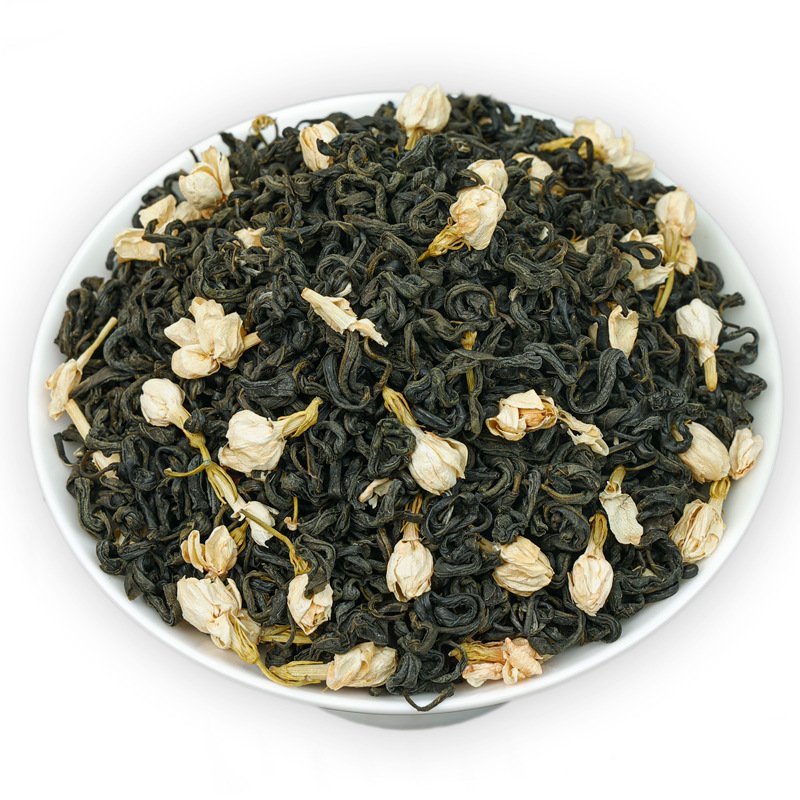
Flower tea blend prepared for tea bag filling
These materials are lightweight, bulky and easily damaged. The dosing mechanism must measure them volumetrically while preserving the flower petals, and the finished bag should have a neat, clean appearance.
Herbal and Plant-Based Mixtures
Herbal and plant-based tea blend with mixed particle sizes
Variations in particle size can cause the mixture to separate during feeding, making the allowable weight deviation for each bag more important than the average fill weight.
Whole Tea Leaves
Whole tea leaves of the type filled into pyramid tea bags
Large, lightweight tea leaves can bridge inside a small hopper, making a pyramid tea bag generally the more suitable option. Unlike a flat bag, it provides more space for the leaves to expand.
Scroll to Top