Packaging Solutions by Product and by Bag Style

Most projects start from one of two questions: what am I packing, or what bag do I want on the shelf. Both routes lead to the same machine families — only the order of the questions changes.

Start With Your Product

Pick the line closest to what you pack. The notes under each one explain what decides the model inside that family, so you can send us the right numbers the first time.

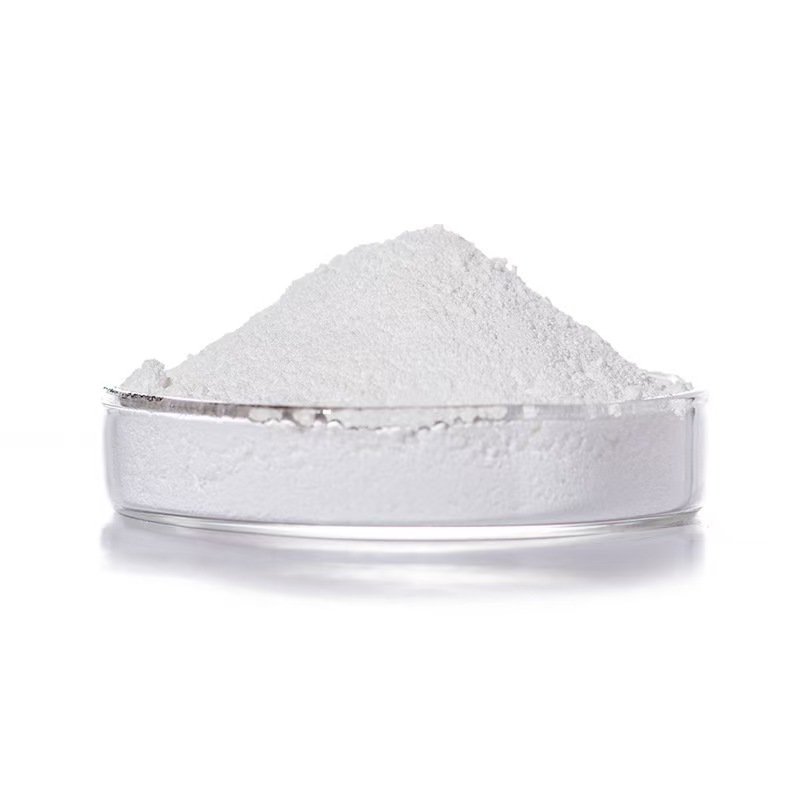
White powder packed in a roll-film bag

Powder and Flour

Free-flowing powder is dosed by auger or screw feed, then sealed into a roll-film bag or a premade pouch depending on whether the pack has to stand on a shelf.

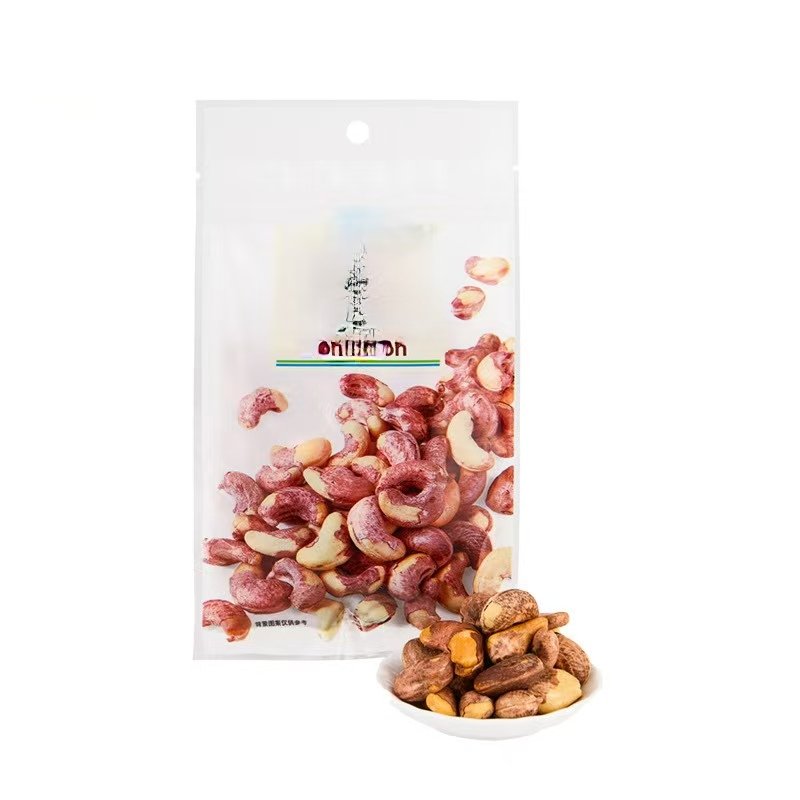
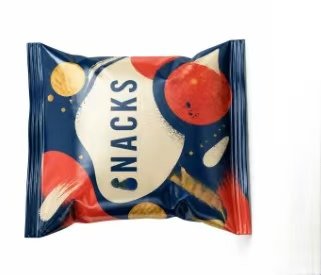
Granules and nuts packed in roll-film bags

Granules, Nuts and Snacks

Multihead weighing or volumetric cup filling, then a pillow bag, gusset bag or premade pouch. Weighing accuracy matters more than speed once the pack weight is above a few hundred grams.

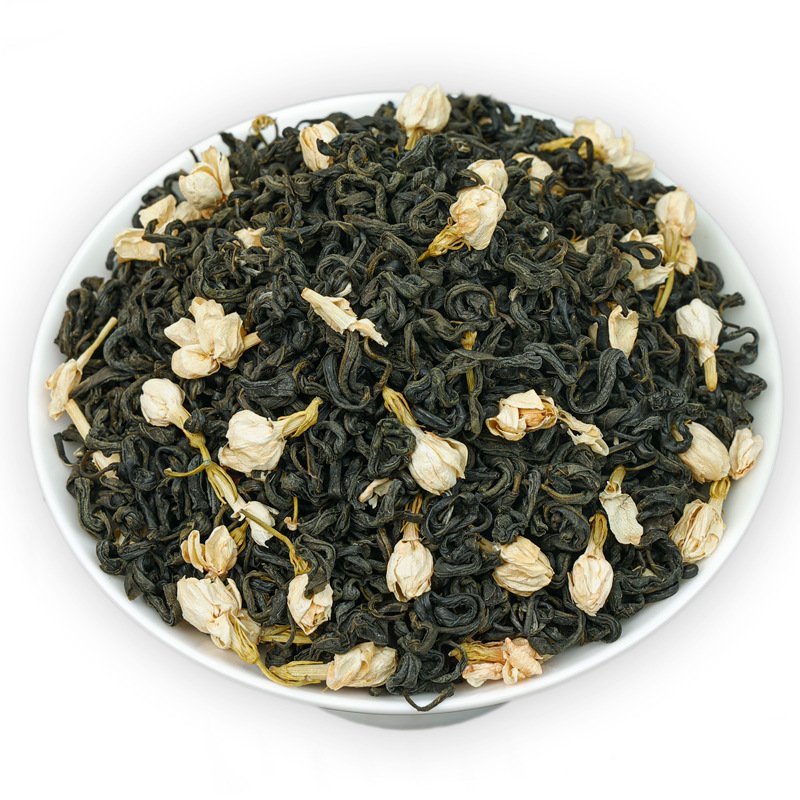
Whole tea leaves of the type filled into pyramid tea bags

Coffee and Tea

Drip coffee bags, pyramid bags and flat filter bags, with string, tag, envelope and outer-sachet options. The leaf or grind size decides which bag type can hold the product.

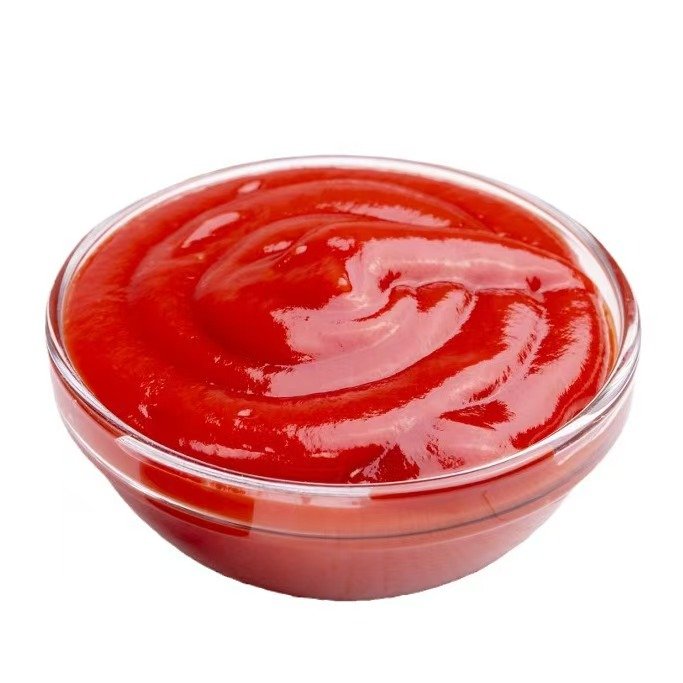
Chili paste filled into a premade pouch

Pastes and Liquids

Piston or pump filling into premade pouches, with spout and corner-spout fitments where the pack has to be poured from.

Start With Your Bag Style

If the pack is already designed, the bag type narrows the machine down faster than the product does.

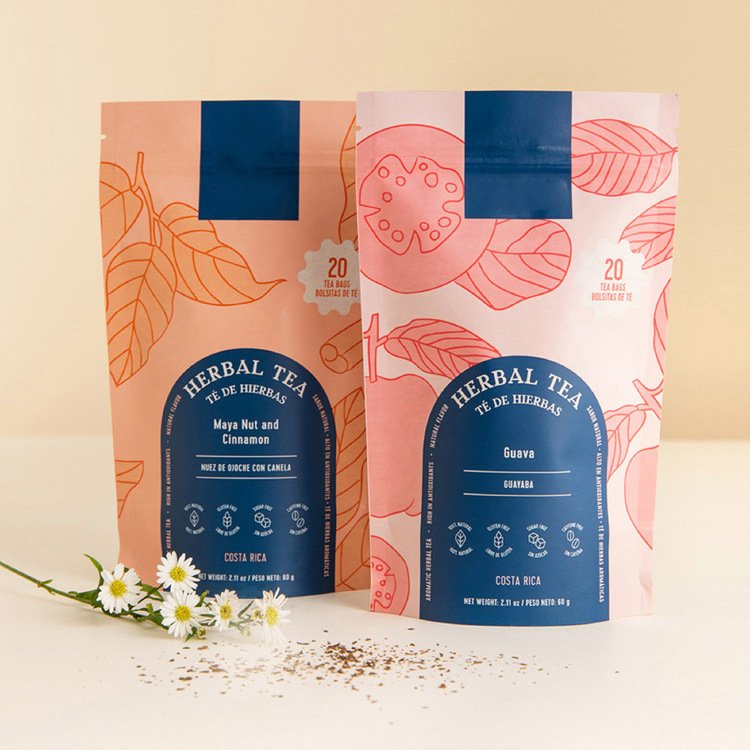
Stand-up pouch with a flat base and printed front panel

Stand-up and Flat-bottom Pouch

A finished pouch goes onto a rotary carousel or a horizontal premade pouch line. No bag-making unit is needed.

Pillow bag with a back fin seal and crimped end seals

Pillow Bag from Roll Film

Film is formed around a tube and sealed at both ends. The most common format for snacks, granules and powder.

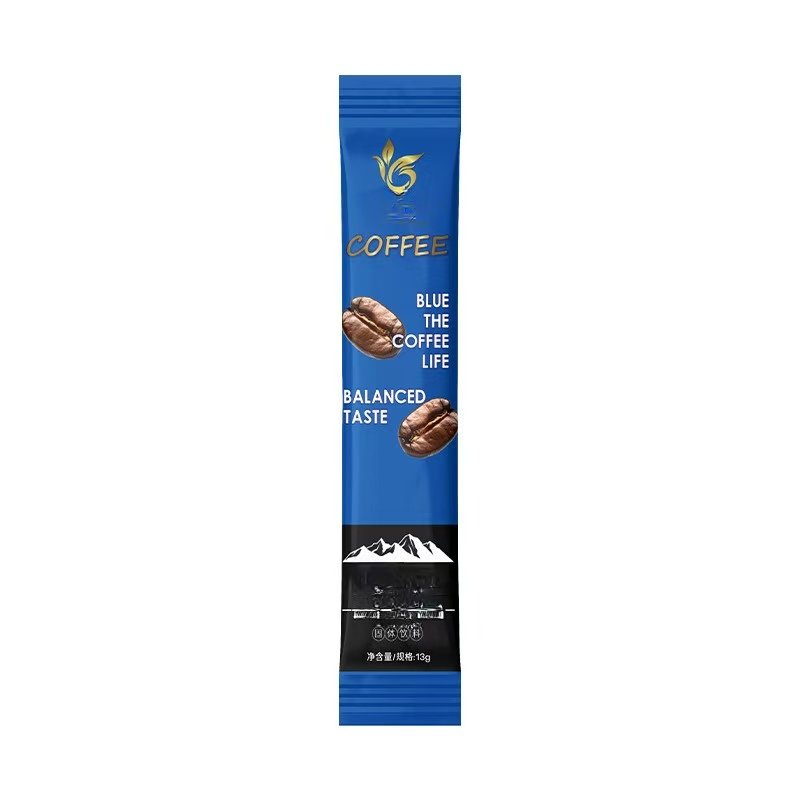
Stick pack of the type produced on a vertical form-fill-seal machine

Sachet and Stick Pack

Small single-serve packs from roll film, in three-side or four-side seal. Usually the same VFFS family with a different forming set.

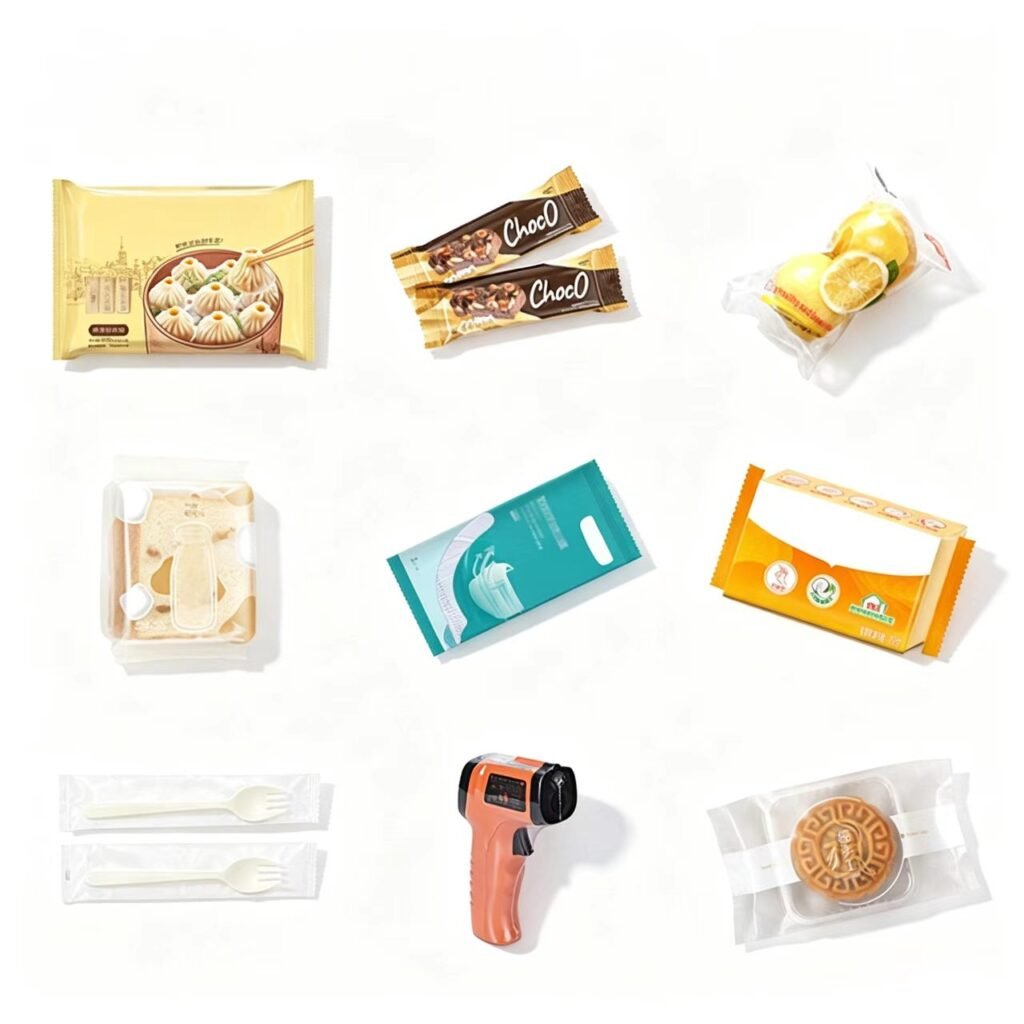
Flow-wrapped bakery and snack products displayed as pack examples

Flow Wrap

The product is wrapped in film rather than dropped into a bag — biscuits, bars, bakery and other solid items.

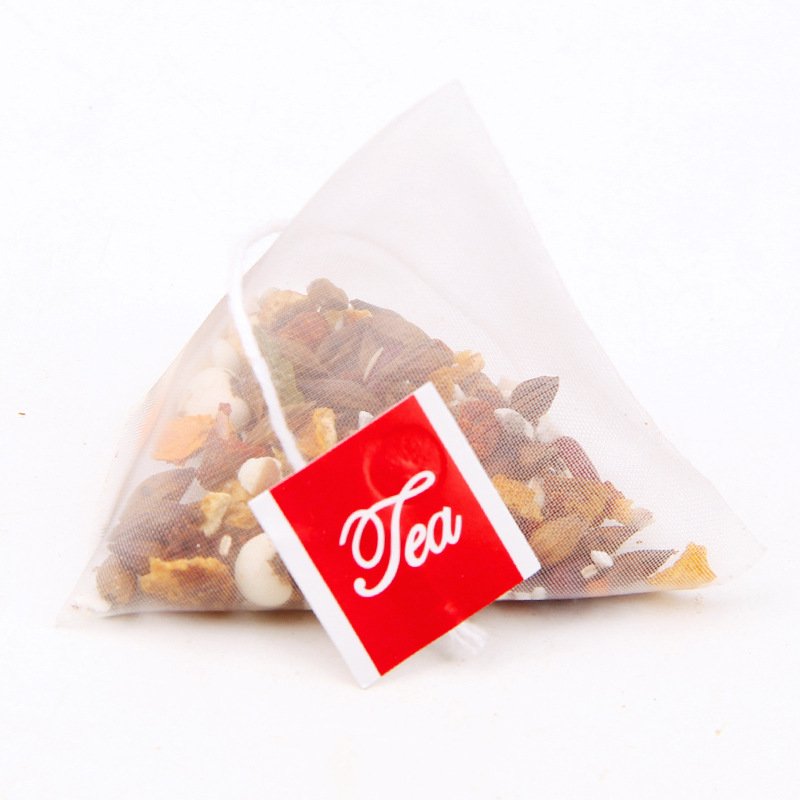
Pyramid tea bag with string and printed tag, close up

Tea and Coffee Bag

Filter paper or mesh formed into the bag itself, then packed into an envelope or outer sachet.

Where Two Families Overlap

A product can often run on more than one machine. These are the cases that come up most:

  • Premade pouch or roll film. The same powder can go into a finished stand-up pouch on a rotary premade pouch machine, or into a bag formed from film on a vertical form-fill-seal machine. The pouch looks better on a shelf; the film bag costs less per pack.
  • Vertical or horizontal. Heavy fills and wide pouches are easier to handle on a horizontal premade bag line, because the pouch is supported while it is filled.
  • Bagged tea or loose tea. Flat filter bags suit fine-cut leaf; pyramid bags suit whole leaf and flower tea that needs room to expand. The pyramid machine and the flat filter machine are not interchangeable for every leaf.

How a Machine Gets Chosen

1. Product and bag. We look at the product form and the bag or pouch you want. That fixes the machine family.

2. Fill weight and bag size. These set the model within the family — for example pouch width 80–320 mm and fill weight 10 g–5 kg on the rotary range, or bag width 40–200 mm on the vertical range.

3. Output and options. Target packs per minute decides how many filling heads you need. Options such as date coding, gas flushing, zipper opening or envelope units are added at this stage.

Send the first two and we can answer with a machine family and a model range instead of a general brochure.

Scroll to Top